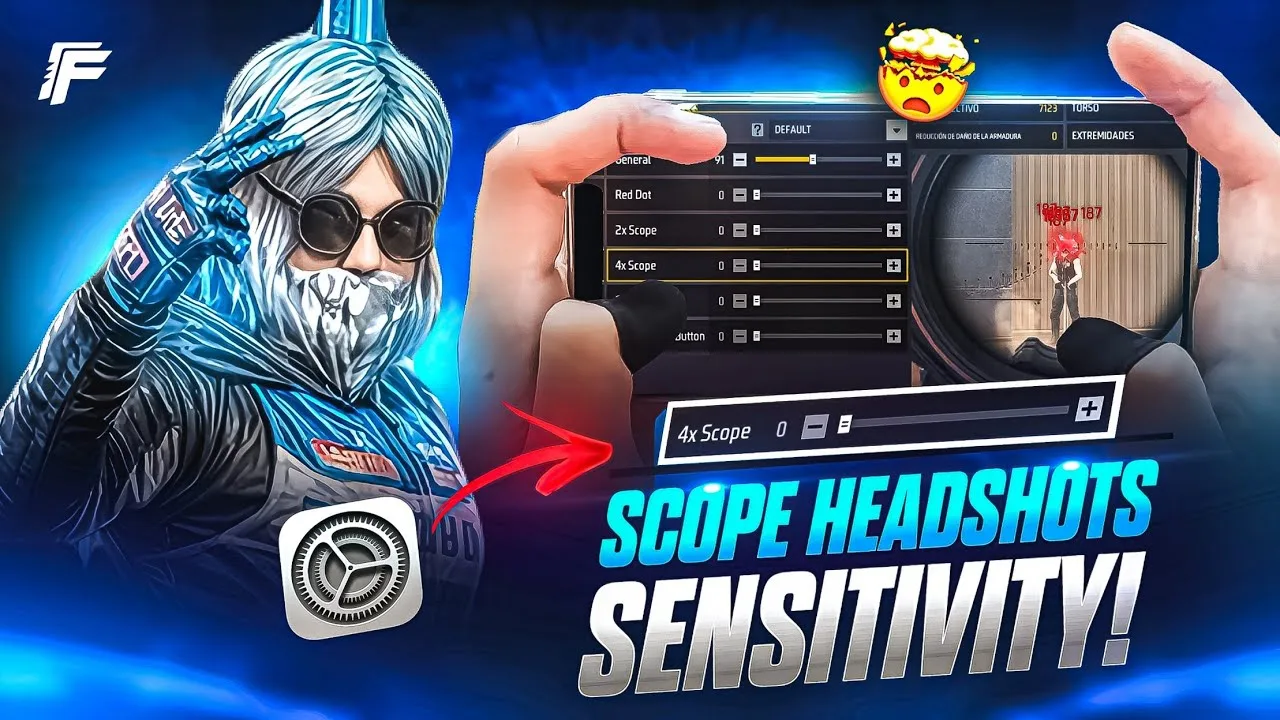
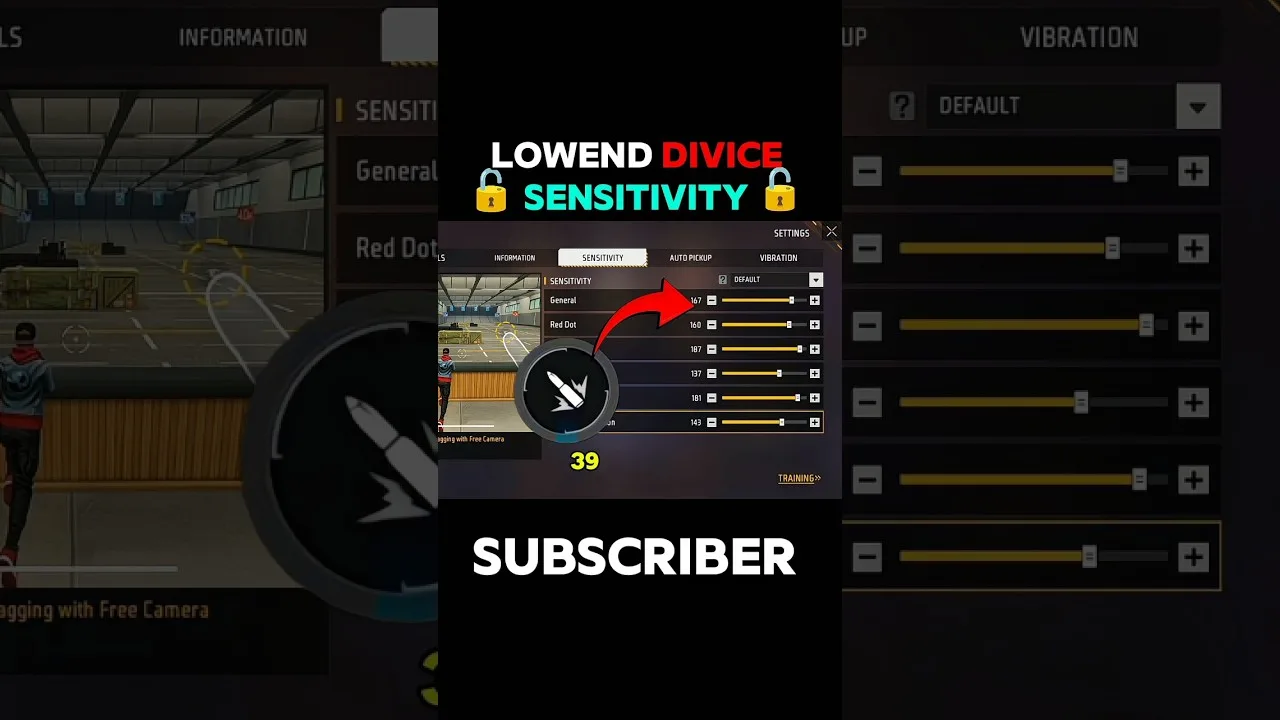
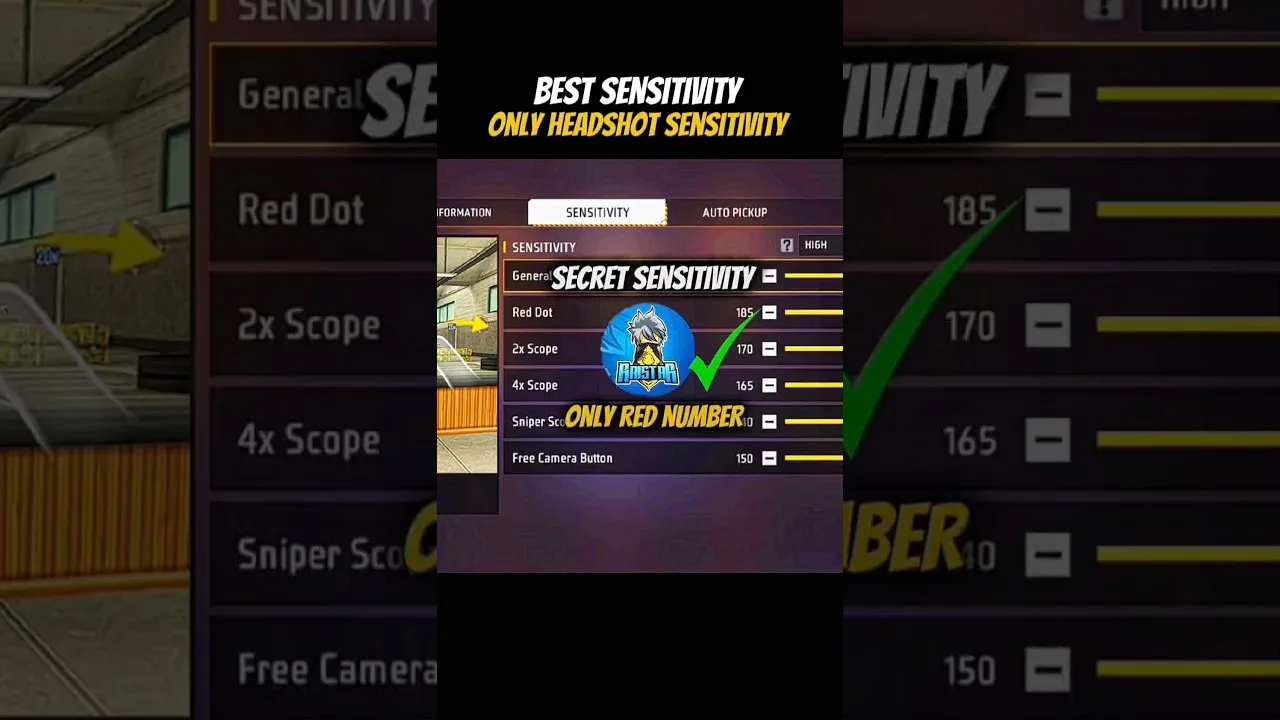
Scoped play is its own discipline. The target shrinks, the view magnifies your corrections along with everything else, and the tempo changes from reflex to decision. The scope family inside Free Fire Panel scope settings — 2x, 4x, and the sniper scope — rewards a separate, unhurried tuning session, and this guide runs it.
One rule organises all three: as magnification rises, sensitivity falls. A swipe that feels right unscoped becomes violent at four times zoom; the ladder must descend or fine aim is impossible.
2x: Track, Do Not Chase
The 2x is the mid-range workhorse, used against moving targets at distances where hip-fire sprays and red dot strains. Begin a step below your red dot value and judge it by tracking: follow a strafing target with the crosshair held on the body, without firing.
Trailing consistently means a small rise; orbiting the target means a small fall. Static accuracy tests flatter this slider — moving targets tell the truth about it.
4x: Placement Over Pursuit
At 4x the job changes: picked shots at distance, holding angles, punishing runners. Set it clearly below the 2x and test with acquire-and-fire drills on still and slow targets. The crosshair should settle where you put it and stay there while you decide.
The classic 4x complaint — 'it feels too fast to aim' — is almost never a skill problem. It is a ladder problem: the value was left level with the unscoped settings, and magnification does the rest.
Sniper Scope: One Correction, One Shot
The sniper scope exists for single decisive shots, and its sensitivity should feel almost reluctant: the lowest value in the family, tuned with hold-and-correct drills. Acquire the target, make exactly one correction, fire. If your corrections themselves need correcting, the value is still too high.
Occasional snipers should resist over-investing here. A sane low default serves rare use; your training hours belong to the sliders you fight with every match. Priorities across the full set are mapped in our sliders explained guide.
Test the Family Together
You swap scopes mid-fight, so the family must feel like one system at the transitions. Finish with a mixed drill: targets at three ranges, changing magnification as each demands, noticing any scope whose feel breaks the pattern. Adjust the outlier toward the family, never the family toward the outlier.
The drill structure, scoring, and three-session verdict rule are detailed in our training testing guide — the difference between thinking a scope setup works and knowing it.
Final Thoughts
Descending values, tracking for the 2x, placement for the 4x, reluctance for the sniper scope, and a mixed drill to bind them. Scoped fights stop feeling like a different game with different rules — they become the same aim, at longer range.